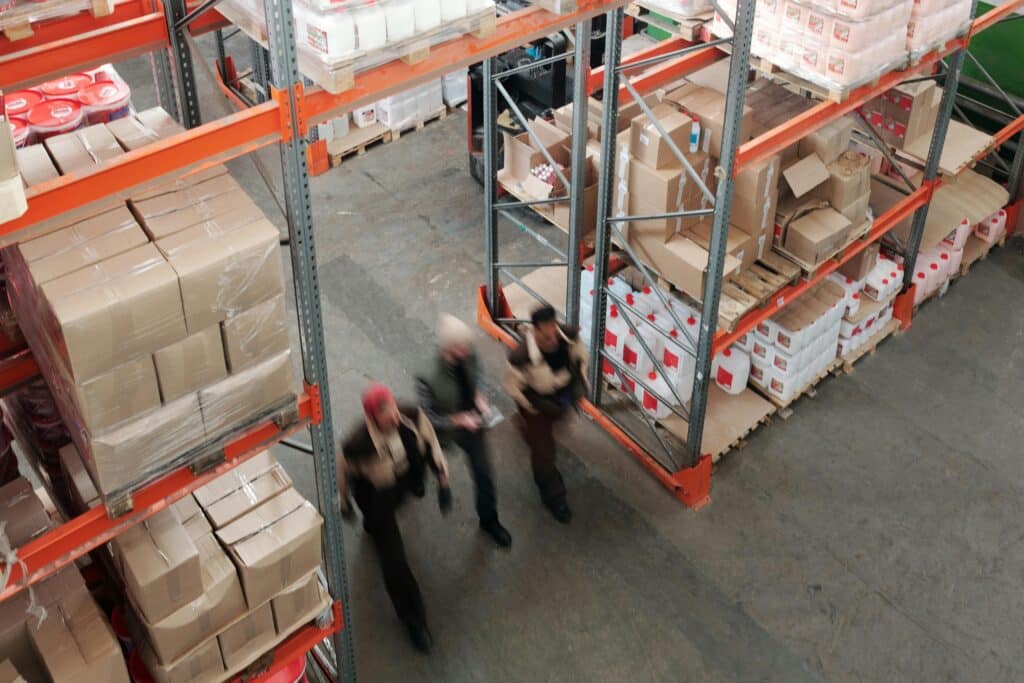
In light industrial environments, safety isn’t just a checklist—it’s a mindset. From the warehouse floor to the loading dock, every action has the potential to impact someone’s well-being. That’s why building a culture where safety comes first isn’t optional—it’s essential. Building a safety-first culture in light industrial settings is essential. Employees who feel safe tend to remain engaged, productive, and loyal to the company.
A safety-first culture requires adherence to industry standards. Following the guidelines and requirements for safe operations helps build employee trust, efficiency, and a positive company reputation. These factors strengthen business growth. When safety protocols are consistently followed, they become second nature, creating a workplace where everyone feels responsible and empowered.
The following tips help build a safety-first culture in light industrial settings.
Safety Starts with Leadership
Leadership clarifies the importance of light industrial safety. For instance, consistently encouraging the use of personal protective equipment (PPE), having conversations with employees about potential hazards, and recognizing safety achievements support a safety-first culture.
Leaders who understand and resolve workplace safety challenges motivate employees to behave accordingly. Creating a ripple effect focused on safety helps protect the workforce.
Safety Training Should Be Ongoing
Regular safety training refreshers and hands-on drills strengthen knowledge and application. Employees who are empowered to identify risks and take corrective action support a safe work environment:
- Consider involving employees in safety audits and committees to gather insight, help develop protocols, and gain buy-in. Implementing employee feedback fosters a sense of ownership and responsibility.
- Employees who collaborate to improve safety processes typically experience fewer accidents and greater morale than those who do not. They feel productive, loyal, and driven to perform their best.
- A sense of ownership encourages collaboration, sharing ideas for improvement, and minimizing risks.
Tools and Technologies Strengthen Safety
The following tools and technologies reduce the risks of accidents and improve response times in light industrial settings:
- Systems for real-time workforce monitoring
- Wearable sensors that detect heavy machinery and hazards
- Automated systems handling dangerous tasks
- Wearable devices that track fatigue
Communication Elevates Safety
Open communication helps minimize hazards and risks:
- Signage, digital alerts, and pre-shift meetings help inform employees about safety issues.
- Feedback loops encourage immediate reporting of hazards and a fast resolution.
- Preventing minor issues from growing strengthens workplace safety.
Safety Practices Should Be Recognized and Rewarded
Celebrating safety milestones, such as 100 days without an incident, fosters employee pride. Reminding employees that safety is a team effort encourages them to maintain a safe work environment.
The following recognition and rewards for safety compliance reinforce positive behaviors:
- Shout-outs at a meeting
- Safety certificates
- Gift cards
- Small bonuses
Get Help Building a Safety-First Culture
Creating a culture of safety starts with hiring the right people—those who take safety seriously and lead by example. The right team can reinforce your protocols, support compliance, and help foster a workplace where safety is second nature. That’s why it’s critical to work with a staffing partner who understands the unique demands of light industrial environments. Reach out to HireCall to find safety-conscious candidates for your light industrial team.